The European Cyber Security Organisation, in collaboration with the Tallinn Mechanism Project Office (TMPO), held an online webinar titled “The Tallinn Mechanism: EU–Ukraine cyber diplomacy through real-world industry opportunities.”
The main goal was to explain to European private cybersecurity companies how the Tallinn Mechanism enables effective public–private partnerships. The organizers also aimed to highlight concrete opportunities for ECSO members to join capacity-building projects in Ukraine.
The webinar was opened by Manon Le Blanc, Cyber Coordinator at the European External Action Service. She stressed that Ukraine is now a key EU partner in countering hybrid and cyber threats. She also highlighted that cooperation between the EU and Ukraine continues to grow and deliver results.
“Ukraine’s cyber resilience has become part of its national identity. Over the past four years, Ukraine has shown how innovation under pressure can accelerate digital transformation. Ukraine's cyber defenders now operate as part of a global coalition, which extends to all of us in the EU. This creates valuable lessons for both governments and businesses across Europe. This is why we do not only want to support Ukraine, we also want to learn from it. We see strong potential for deeper engagement with the private sector, especially through initiatives like the Tallinn Mechanism,” she noted.
During the session, Nataliya Tkachuk, Head of the Cyber and Information Security Directorate at the National Security and Defence Council of Ukraine, shared lessons learned on developing public–private partnerships during the cyberwar. She emphasized that since the start of the full-scale invasion, cyberspace has become an integral part of the battlefield. Cyberattacks are closely linked with kinetic strikes and information operations.
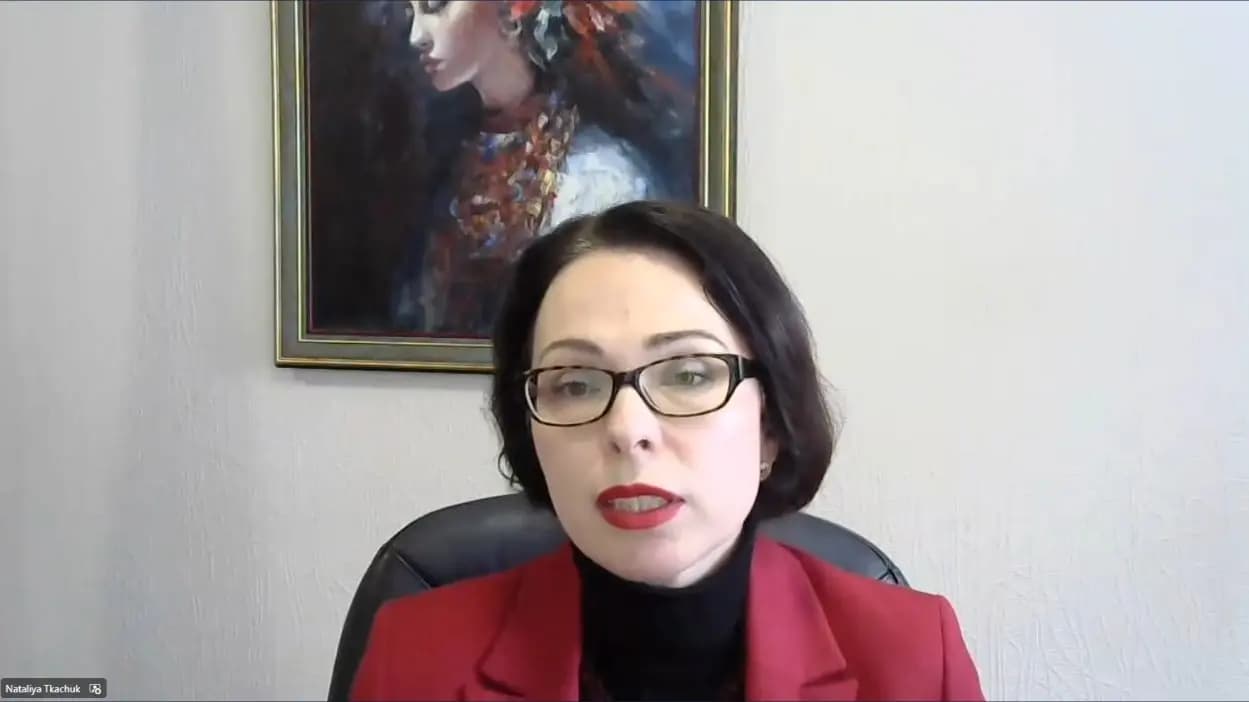
She also underlined the growing role of the private sector in cyber defense:
“Our cooperation with the private sector was built on trust and real connections. Today, its role is even more critical. Strong cybersecurity companies and joint EU–Ukraine projects are essential for our collective resilience. We also see that private companies hold unique capabilities, including access to large-scale threat intelligence and globally deployed technologies. This makes them key partners in responding to modern cyber threats. At the same time, we need to continue developing clear rules, responsibilities, and long-term cooperation models between the state and business,” she said.
Participants discussed the increasing importance of international tech companies in detecting and responding to cyber threats, as well as the need to develop local solutions and strengthen digital sovereignty in Ukraine and the EU.
Roman Solohub, CEO of cybersecurity company ISSP, shared practical experience of cooperation between Ukrainian and EU companies under the Tallinn Mechanism framework. ISSP took part in an international open tender organized by ESTDEV as an implementing partner of Tallinn Mechanism projects supported by Sweden and Norway.
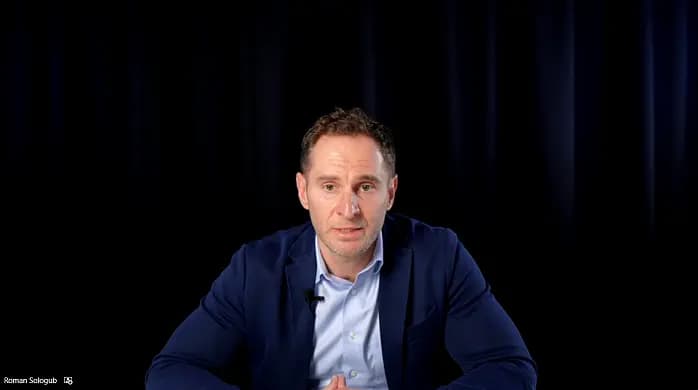
“Ukrainian and European companies create the most value when they work as equal partners. Ukraine brings real battlefield experience and local expertise, while EU partners contribute scale, investment, and access to markets. Matchmaking between Ukrainian and European companies, joint proposal development, and exchange of expertise create solutions that work in both markets. This approach strengthens not only individual projects, but the entire cybersecurity ecosystem,” he said.
Olesya Danylchenko, Head of TMPO, presented the key priorities and current activities of the Tallinn Mechanism that are relevant for the private cybersecurity sector. She outlined how the initiative supports coordination, project development, and partner engagement.
Kseniia Bulhakova, Manager for Donors and Private Sector Engagement at TMPO, introduced the Tallinn Mechanism Platform and explained how companies can register and access partnership opportunities.
The webinar also included a step-by-step overview of the company registration process on the Tallinn Mechanism Platform.
The event confirmed strong interest from the European private sector in working with Ukraine. It also highlighted the importance of structured, long-term public–private cooperation to strengthen cyber resilience.