The Tallinn Mechanism (TM) was created to combine immediate support with long-term capacity building to strengthen the resilience of Ukraine’s digital ecosystem. One of its key medium-term Lines of Effort outlined in the TM’s Mission Statement was to enhance public-private sector collaboration.
To support this goal, on May 4, the Tallinn Mechanism Project Office (TMPO), together with the European Cyber Security Organisation (ECSO), the European External Action Service (EEAS), and Deutsche Gesellschaft für Internationale Zusammenarbeit (GIZ) GmbH, funded by the Federal Foreign Office of Germany and co-funded by the European Union, organized the first in-person event for the private sector titled Building Public-Private Cyber Partnerships within the Tallinn Mechanism Framework.
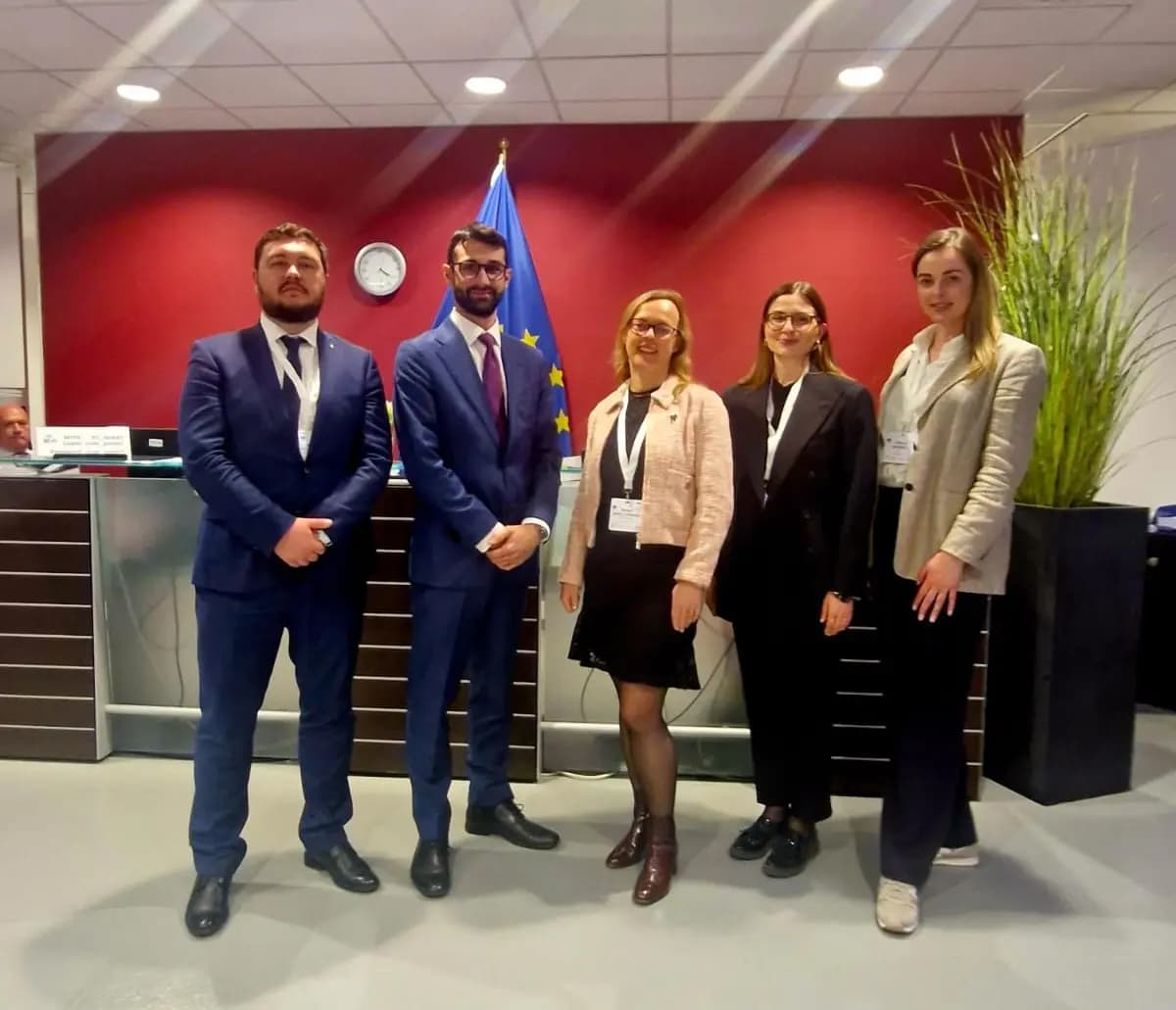
The event brought together in Brussels more than 70 representatives of the Ukrainian and European cybersecurity community, international organizations, donors, and Ukrainian government institutions.
In the opening remarks, Sophia Klumpp, Advisor for the Coordination of Cyber Foreign Policy and Cyber Security at the Federal Foreign Office of Germany, highlighted the importance of systematic support for Ukraine:
“Alongside the European institutions and the Tallinn Mechanism partners, Germany is committed to supporting Ukraine in strengthening its cybersecurity, promoting international norms, and fostering a secure and resilient digital ecosystem.”
Cristian Michael Tracci, Strategy Officer at ECSO, also stressed the significance of international cooperation:
“We must help each other to strengthen the overall ecosystem. No country can do it alone. The cooperation between the EU and Ukraine is strong, and together we can advance a stable and secure cyberspace and strengthen Ukraine’s resilience.”
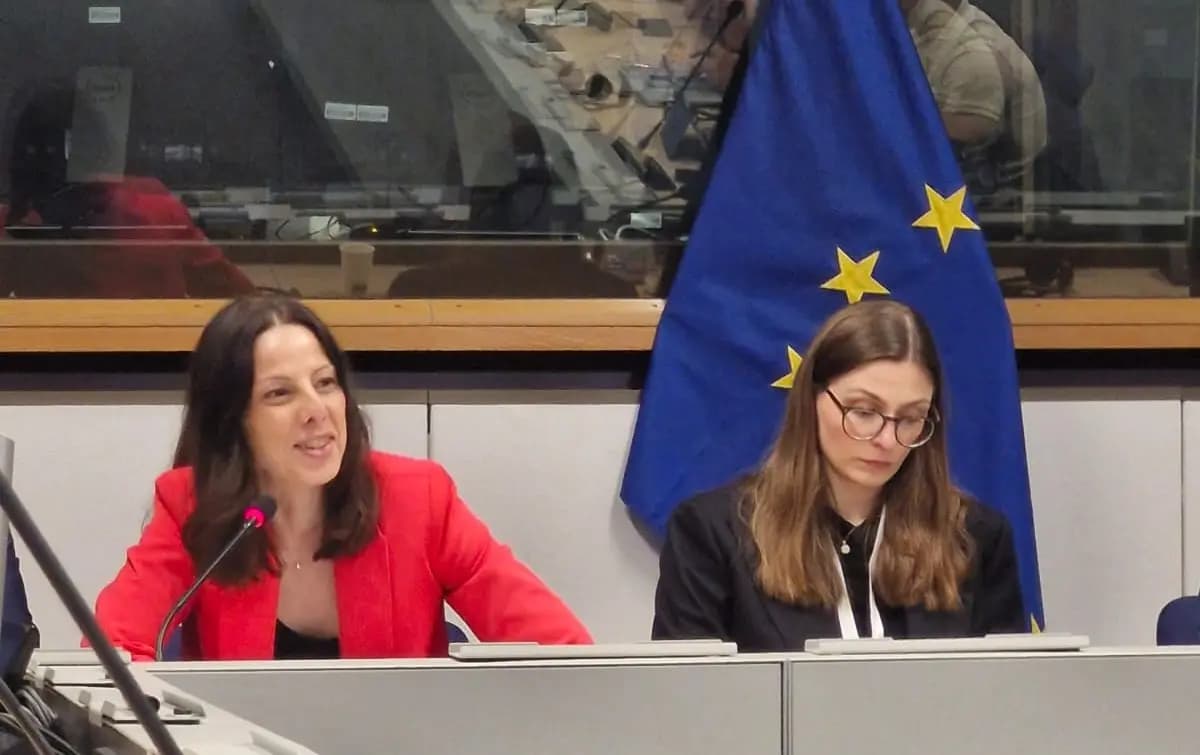
Barbara Gallo, Head of the Hybrid Threats and Cyber Division at EEAS, spoke about the growing partnership between the EU and Ukraine in cybersecurity. She noted that Ukraine’s cyber resilience has significantly developed over the past four years and has become part of the country’s national identity. She also underlined the important role of the private sector in strengthening cyber resilience.
“We not only want to support Ukraine, but we are also inspired by Ukraine. And we want to learn from Ukraine.”
Judith Orland, Policy Officer at the European Commission, also highlighted the importance of cooperation:
“The further potential of collaboration in cybersecurity is great, and our investment in Ukraine’s security is an investment in our collective security.”
Ukraine’s cybersecurity market is developing quickly, and the country already has strong experience in public–private cooperation. Vitaliy Balashov, Deputy Minister at the Ministry of Digital Transformation of Ukraine, spoke about Ukraine’s current cyber threat landscape and the need for systemic solutions.
“Ukraine ranks fifth globally and third in Europe by the number of cyberattacks. By strengthening the cyber defence of government institutions and enterprises, we are building a resilient security ecosystem for the whole country. We want to thank all our international partners and the Tallinn Mechanism stakeholders for their support, which results in the implementation of technologies and solutions that enable us to effectively defend against enemy attacks.”
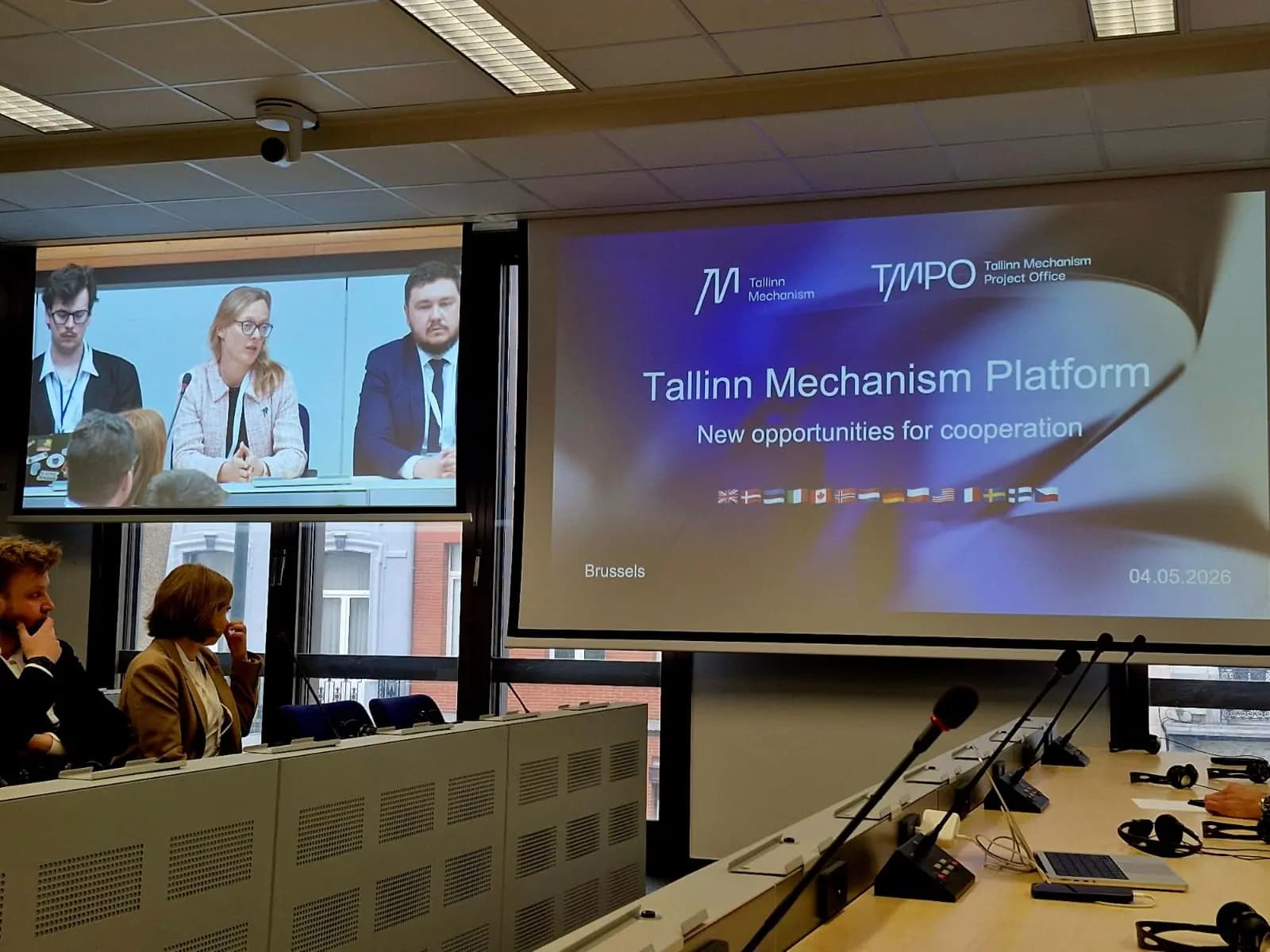
The Tallinn Mechanism is expected to continue strengthening cooperation between Ukrainian and international partners, including the private sector. Olesya Danylchenko, Head of TMPO, shared the first results of the launch of the Tallinn Mechanism Platform.
The platform was developed to strengthen cooperation with the private sector, support business networking in cybersecurity, and foster international public-private partnerships. Companies from 19 countries have already registered on the platform. Ukraine, the United Kingdom, Canada, the Netherlands, and Italy are among the leaders by number of registrations. In total, 155 companies applied for registration, and profiles of 100 companies have already been published.
The development of new grant programs under the Tallinn Mechanism framework will also help expand international cooperation. Tetjana Wenzel, Policy Advisor at Partnership for Strengthening Cybersecurity, implemented by GIZ, spoke about current work in this area.
The next part of the conference focused on public–private partnerships in cybersecurity. The session, moderated by Andrea Calderaro, Project Director of EU Cyber Direct at the European Union Institute for Security Studies, was titled Cyber Resilience in High-Intensity Threat Environments: Rethinking Public–Private Partnerships.
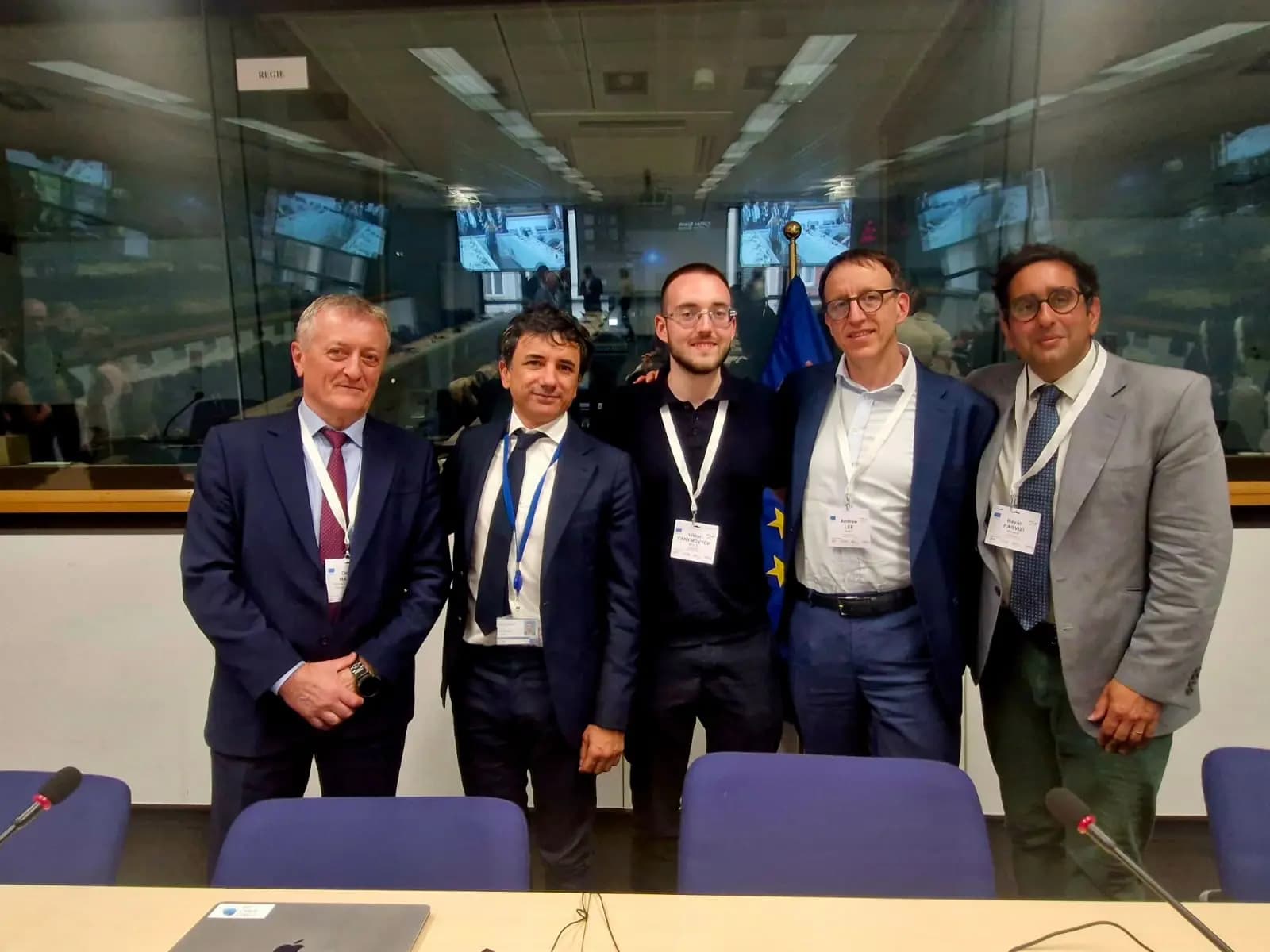
Representatives of the Ukrainian and European cybersecurity community shared their practical experience and ideas for improving cooperation:
-
Viktor Yakymovych, CEO & Founder of SEC-TA
-
Andrew Lee, Vice President for Government Affairs at ESET
-
Bayan Parvizi, Programme Director for Capacity Building at Monarch
-
Danut Maftei, Senior Expert on Policies, Strategies, and Cooperation at the Romanian National Cyber Security Directorate
The Tallinn Mechanism is already creating real opportunities for business partnerships and practical cooperation between Ukrainian and international companies.
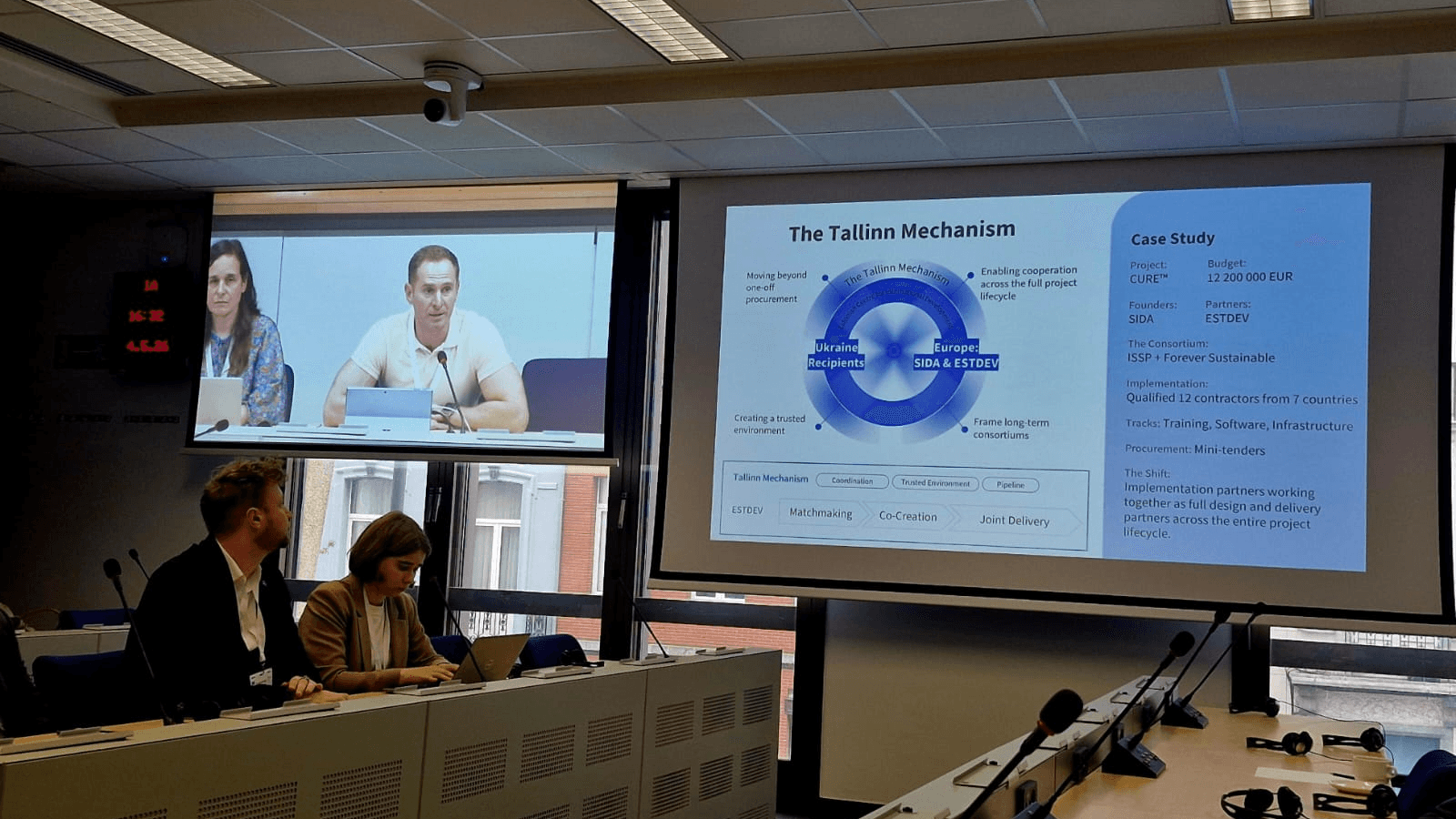
Roman Solohub, CEO of Ukrainian cybersecurity company ISSP, and Nathalie Beser from Sweden-based Forever Sustainable shared their experience of cooperation under the Tallinn Mechanism framework. This Ukrainian-Swedish consortium participated in an international open tender for Tallinn Mechanism projects supported by Sweden and Norway.
Speaking about the mutual benefits of such cooperation, Roman Solohub said that European partners bring methodologies, governance frameworks, certification pathways, and cyber range capabilities. Ukrainian partners bring real cases, frontline threat scenarios, and a clear understanding of what institutions and operators actually need. The result is valuable for both sides.
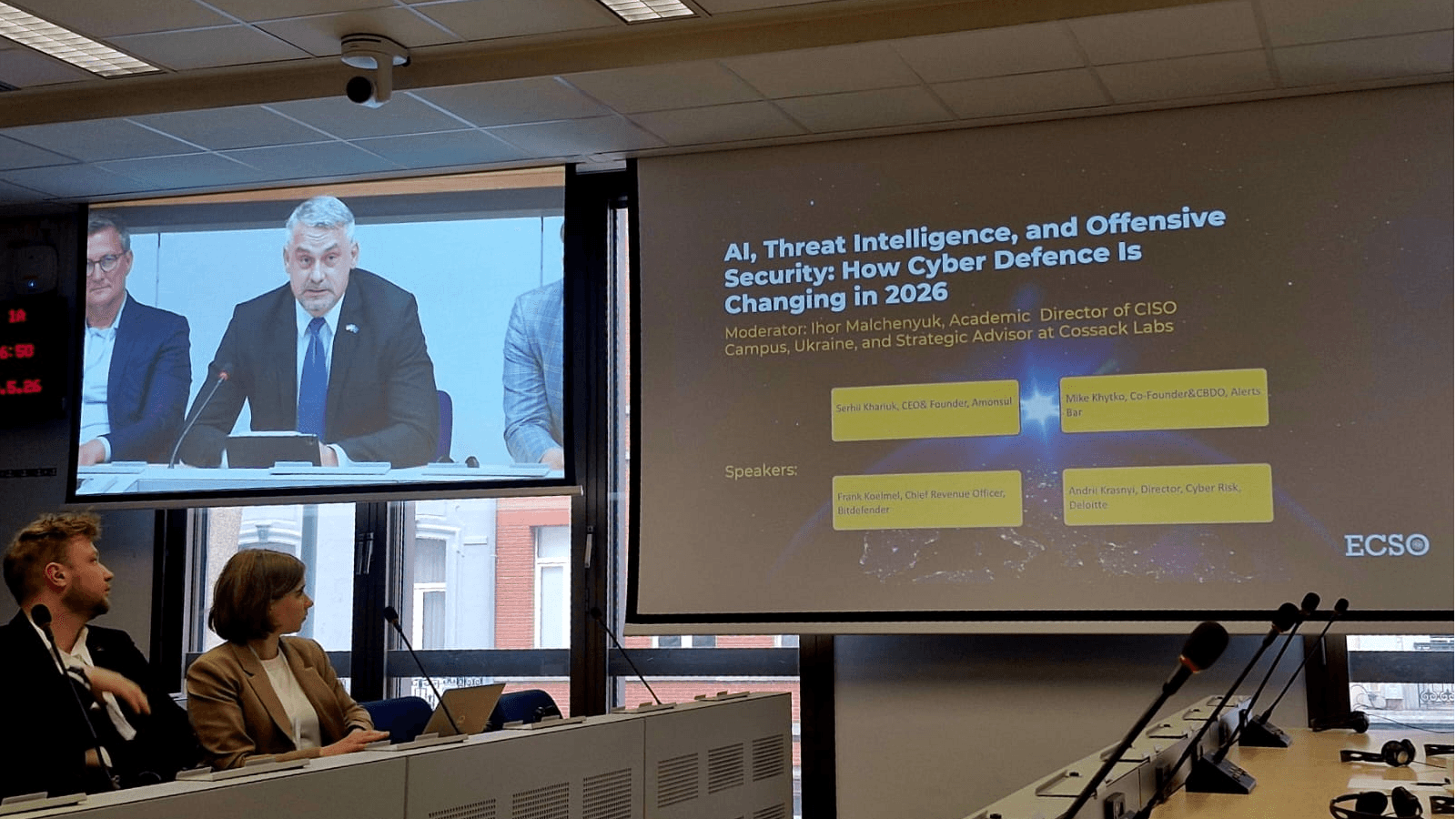
The final panel discussion focused on AI, Threat Intelligence, and Offensive Security: How Cyber Defence Is Changing in 2026. The session was moderated by Ihor Malchenyuk, Academic Director of CISO Campus Ukraine and Strategic Advisor at Cossack Labs.
The speakers included:
-
Serhii Khariuk, CEO & Founder of AmonSul
-
Mike Khytko, Co-Founder & CBDO of Alerts Bar
-
Frank Koelmel, Chief Revenue Officer at Bitdefender
-
Andrii Krasnyi, Director of Cyber Risk at Deloitte
Participants discussed how cyberattacks are evolving and how governments and private companies can cooperate more effectively to respond to constantly changing threats. Speakers also exchanged best practices and shared insights on innovation in cybersecurity.
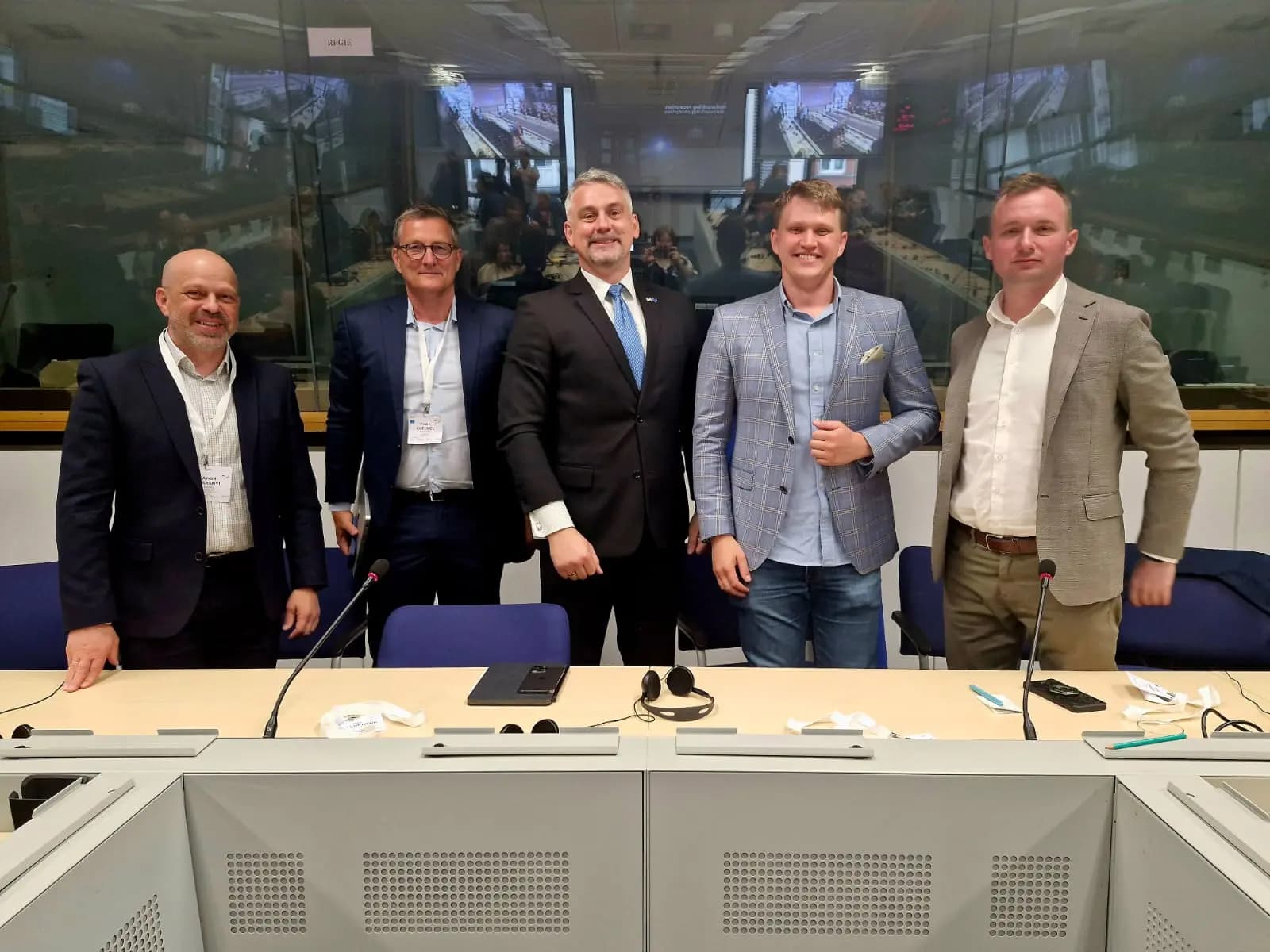
The conference was the first in-person event in Brussels under the Tallinn Mechanism framework, but not the last. It confirmed strong interest from the European private sector in working with Ukraine and highlighted the importance of structured, long-term public–private cooperation to strengthen overall European cyber resilience.
Launched in 2023, the Tallinn Mechanism helps strengthen Ukraine’s civilian cyber defense and resilience through coordinated international support. It includes 14 countries: Canada, Czechia, Denmark, Estonia, Finland, France, Germany, Italy, the Netherlands, Norway, Poland, Sweden, the United Kingdom, and the United States. The EU, NATO, and the World Bank participate as official observers.
The Tallinn Mechanism Project Office (TMPO), based in Kyiv, coordinates the implementation of activities and supports collaboration between Ukrainian institutions and international partners. The establishment of TMPO was initiated by the Ministry of Digital Transformation of Ukraine. The office will work closely with Ukrainian TM partners, in particular, the State Service of Special Communications and Information Protection (SSSCIP), the Ministry of Foreign Affairs, the Security Service of Ukraine, and the National Cybersecurity Coordination Center (NCSCC) at the NSDC of Ukraine.
.jpg&w=1920&q=75)