International cooperation and capacity building remain essential for strengthening Ukraine’s cyber resilience. As part of the Tallinn Mechanism framework, Ukrainian governmental stakeholders took part in a Study Visit to Brussels focused on advancing cyber governance in line with EU standards and best practices.
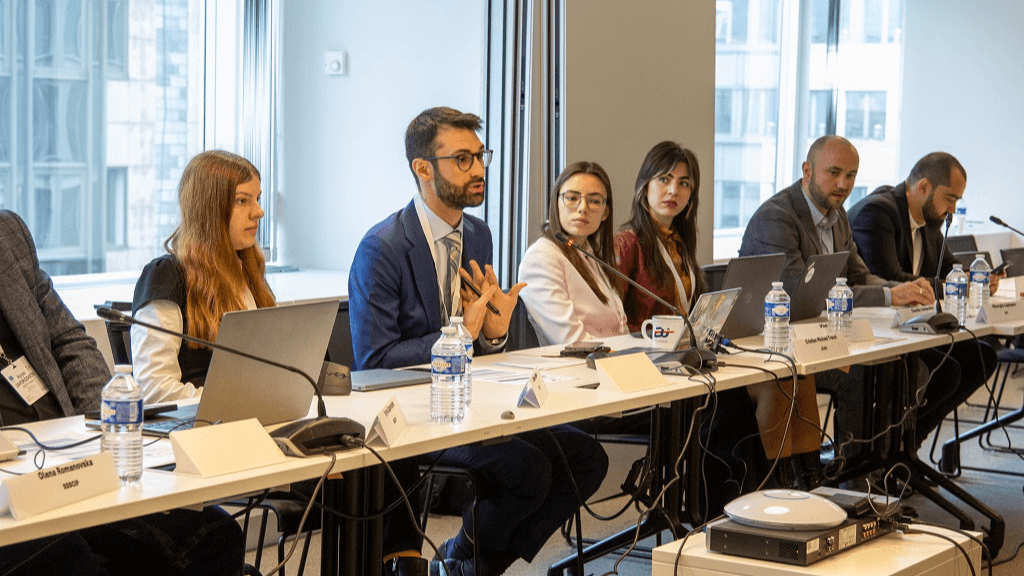
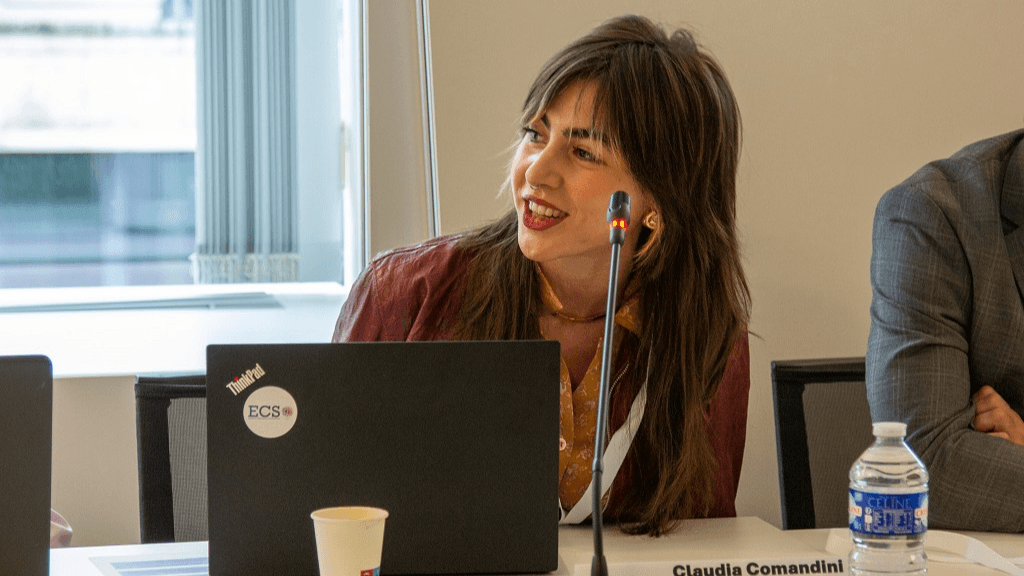
The visit brought together representatives of Ukrainian, Moldovan, and Armenian institutions, European organizations, national cyber authorities, and private sector experts for three days of strategic dialogue, expert guidance, and practical exchanges.
The first day focused on strengthening public-private cooperation in cybersecurity within the Tallinn Mechanism framework. Discussions explored how international partners, government institutions, and industry can work together to support Ukraine’s cyber resilience and develop sustainable cooperation projects.
During the second day, participants joined multistakeholder exchanges and cybersecurity capacity-building sessions with experts from the European Commission, the European Union Agency for Cybersecurity, and the German Federal Office for Information Security. Sessions focused on incident response, regulatory implementation, penalty regimes, and sharing practical experience through open discussions and presentations.
The third day was dedicated to DNS protection and brought together national cyber authorities, cyber attachés, and European-based industry representatives. Discussions covered technical and legal challenges related to implementing DNS protection policies, as well as approaches and solutions already applied across Europe.
The Study visit supported Ukraine’s continued alignment with EU cybersecurity policies and created valuable opportunities for practical knowledge exchange and future cooperation.
The visit was organized by European Cyber Security Organisation, European External Action Service, and Deutsche Gesellschaft für Internationale Zusammenarbeit (GIZ) GmbH, with the support of the German Federal Foreign Office and the European Commission under the Tallinn Mechanism framework.