In May 2025, the Tallinn Mechanism Project Office (TMPO) was launched on the initiative of the Ministry of Digital Transformation of Ukraine. Its main goal is to improve the transparency, coordination, and effectiveness of international donor support under the Tallinn Mechanism framework.
TMPO serves as a key point of interaction between international partners (Tallinn Mechanism member states) with Ukrainian government counterparts (the Ministry of Foreign Affairs, the Ministry of Digital Transformation, the State Service of Special Communications and Information Protection of Ukraine (SSSCIP), the Security Service of Ukraine (SBU), and the National Cybersecurity Coordination Center (NCSCC), and recipients (Ukraine’s government institutions and critical infrastructure operators).
“The Tallinn Mechanism has become a unique precedent. This is not a story about formal memorandums, but about a tough response to enemy attacks. To unite the efforts of partner countries, the Estonian Ministry of Foreign Affairs launched the TM, while we initiated the creation of the Project Office to coordinate assistance. Over the past year, it has significantly improved cooperation between institutions and donors, and also helped to develop partnerships with the international cyber business community. Today, Ukraine is the world’s most challenging cyber security crash test, and thanks to this systematic support, we are successfully passing it every single day,” said Oleksandr Bornyakov, Acting Minister of Digital Transformation of Ukraine.
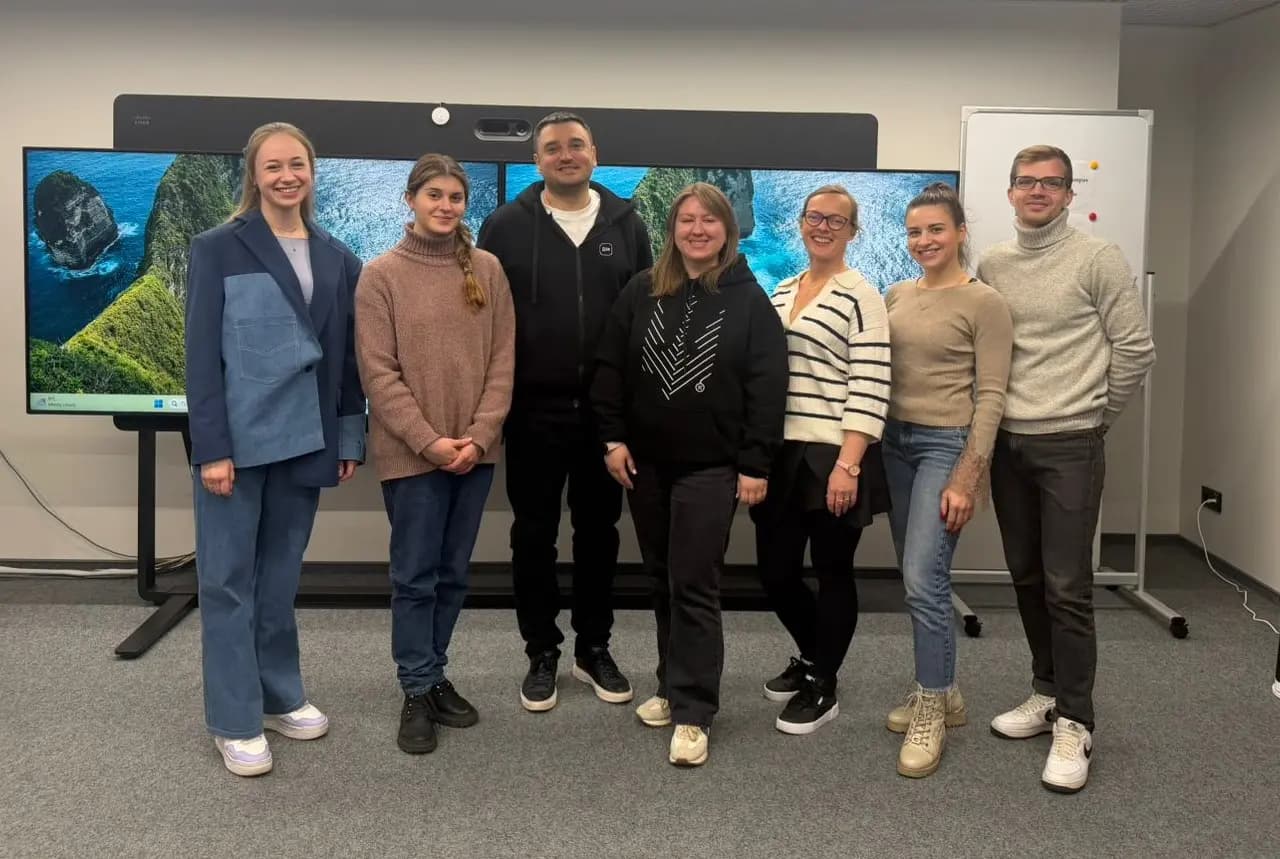
On 15 May 2026, a strategic session chaired by the Ministry of Foreign Affairs of Ukraine took place. Participants discussed TMPO’s main achievements and identified key priorities for the next year.
Strengthening international cooperation and expanding partnerships
Over the past year, the Tallinn Mechanism continued to grow as an international initiative. Three general meetings of member states took place in Kyiv, Paris, and London. Norway, Finland, and the Czech Republic joined the Tallinn Mechanism, while the World Bank became an official observer.
TMPO played an important role in this process by improving the transparency, coordination, and effectiveness of donor support for Ukraine’s cyber resilience.
“In the context of Russia’s ongoing aggression, Ukraine’s cyber resilience is a matter of strategic national security. Over the past year, the Tallinn Mechanism Project Office has become an important coordination hub transforming Ukraine’s needs, partners’ expertise, and implementing actors’ capabilities into practical solutions aimed at protecting critical infrastructure and strengthening cyber resilience of Ukrainian institutions. Let me express my sincere gratitude to the Project Office and its entire team for their professionalism, dedication, and tireless daily affords, which continue to make international cyber support for Ukraine more structured, targeted, and impactful”, - emphasized Andrii Droniuk, Deputy Minister for Foreign Affairs of Ukraine, Chief Digital Transformation Officer.
The TMPO team also actively promoted the Tallinn Mechanism as an international donor support initiative for Ukraine at major international cyber conferences, including Kyiv International Cyber Resilience Forum (Ukraine), InCyber (France), and CyberUK (United Kingdom).
Implementation of projects worth UAH 300 million
In 2025, implementation of practical projects under the Tallinn Mechanism began. To date, seven projects funded by Canada, the Netherlands, and the United Kingdom have already been completed, with a total value of more than UAH 300 million. Recipients include the Chornobyl Nuclear Power Plant, the National Security and Defense Council Apparatus, the Secretariat of the Cabinet of Ministers of Ukraine, the State Judicial Administration, the State Border Guard Service, Diia State Enterprise, and the State Cyber Protection Center of SSSCIP.
More than 20 projects are currently being implemented with support from Sweden, Italy, Norway, the United Kingdom, Germany, the Netherlands, and Estonia. Another 70 projects are under donor review for future funding.
These projects help Ukraine respond more effectively to current cyber threats and reduce the risks of large-scale cyberattacks.
“Russia is using all available resources and capabilities to gain an advantage in its war against Ukraine. In this war, cyberspace has become a full-scale arena of Russian aggression. That is why protecting Ukrainian governmental institutions and the private sector from cyber threats remains one of the key priorities. Every project aimed at strengthening the protection of information systems against cyberattacks contributes to the overall cyber resilience of the state,” said Rostyslav Zamlynskyi, First Deputy Head of the State Service of Special Communications and Information Protection of Ukraine.
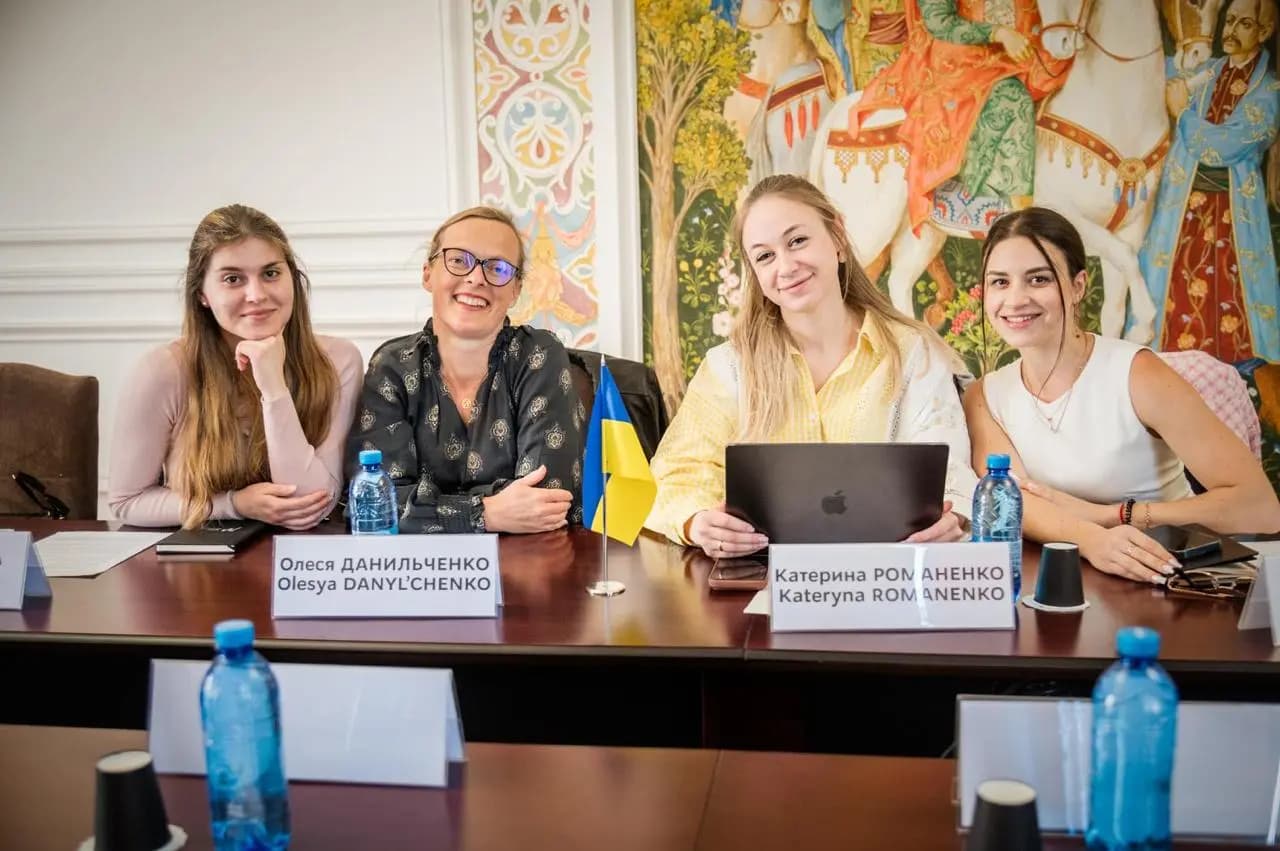
Expanding cooperation with the private sector
Strengthening Ukraine’s cyber resilience is impossible without close cooperation with the private sector. That is why, with support from the Estonian Centre for International Development (ESTDEV), the TMPO team developed the Tallinn Mechanism Platform. During its first three months, more than 150 companies from 19 countries applied for registration on the platform.
The platform helps build business connections in the cybersecurity sector and supports the development of international public-private partnerships. It also provides private companies with information on current tenders and other opportunities to participate in joint initiatives, including grant programmes.
“International public-private partnership development is one of the key factors in strengthening Ukraine’s cyber resilience. Cooperation between the government, international partners, and the private sector makes it possible to quickly implement modern technological solutions, scale expertise, and strengthen the capabilities of Ukrainian institutions in cybersecurity. In this context, Tallinn Mechanism initiatives play an important role. One example is the grant programme launched with support from the Netherlands to strengthen cooperation between Ukrainian and Dutch cyber companies. At the same time, it is important that Ukrainian cybersecurity expertise is not only growing but also expanding internationally. Ukraine has already become an active contributor to shaping the shared cybersecurity agenda, and we will continue working to deepen this cooperation and develop international partnerships,” explained Nataliya Tkachuk, Head of the Cyber and Information Security Directorate at the National Security and Defence Council of Ukraine.
This year, TMPO has already participated in 12 webinars for the cyber sector involving stakeholders from Ukraine, Norway, Canada, Poland, the United Kingdom, the Netherlands, Germany, France, and the United States. During these events, the team presented opportunities offered by the platform for participation in Tallinn Mechanism projects and for strengthening cooperation between Ukrainian and international cyber companies.
In early May, the first offline event dedicated to public-private partnership development within the Tallinn Mechanism took place in Brussels with support from the European Cyber Security Organisation (ECSO), the European External Action Service, the European Commission, and the Government of Germany.
Educational and sustainable initiatives
The Tallinn Mechanism member states also actively support educational initiatives aimed at strengthening the workforce capacity of Ukraine’s cybersecurity sector. These efforts include projects supported by France in cooperation with Expertise France, Germany in cooperation with Monarch, and Estonia in cooperation with ESTDEV.
On the initiative of the NCSCC and with support from Italy, the analytical report “Review of Ukraine’s National Cybersecurity System 2025” was prepared. The report outlines the current state of Ukraine’s cybersecurity system, key cyber threats, wartime challenges, and the results of state cybersecurity policy.
The TMPO team expresses sincere gratitude to the Tallinn Mechanism member states and Ukrainian stakeholders – the Ministry of Foreign Affairs, the Ministry of Digital Transformation, SSSCIP, the Security Service of Ukraine, and the NCSCC – for supporting the implementation of initiatives that are critically important for Ukraine’s cyber resilience.
The Tallinn Mechanism was established by Ukraine’s partners in December 2023 to coordinate international assistance aimed at strengthening Ukraine’s national cybersecurity and cyber resilience. It unites 14 countries: Canada, Czechia, Denmark, Estonia, Finland, France, Germany, Italy, the Netherlands, Norway, Poland, Sweden, the United Kingdom, and the United States. The European Union, NATO, and the World Bank participate as official observers.
The TMPO team, based in Ukraine, coordinates the implementation of activities and supports collaboration between Ukrainian institutions and international partners. TMPO is currently funded by the UK Foreign, Commonwealth & Development Office, the Ministry of Foreign Affairs and International Cooperation of Italy, and EU CyberNet. TMPO works closely with the Ministry of Digital Transformation of Ukraine, the State Service of Special Communications, the Ministry of Foreign Affairs, the Security Service of Ukraine, and the National Cybersecurity Coordination Center.